Travel with your dog: packing tips for vacations
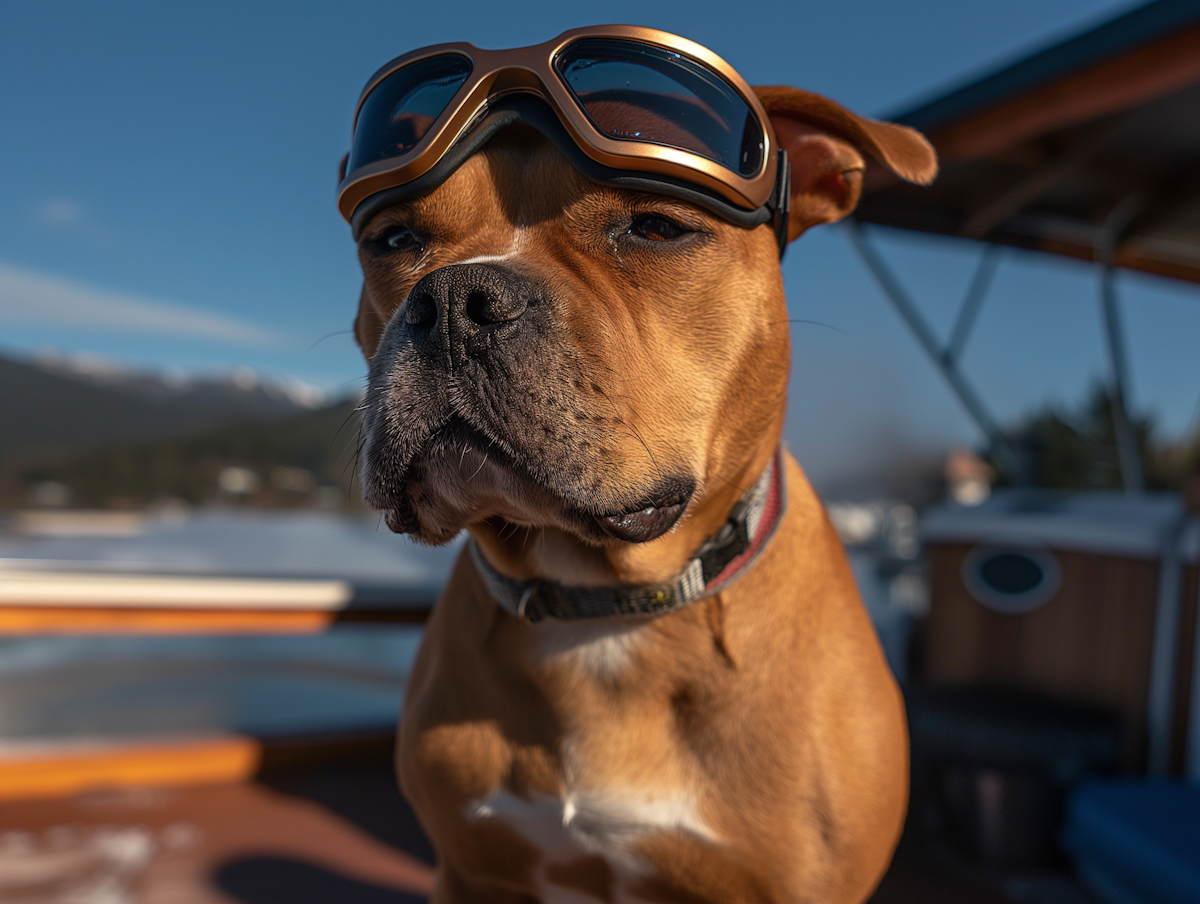
What to bring when traveling with your pet
Traveling with a dog is becoming more common every year. More pet-owning households and the growth of pet-friendly accommodations have made it easier for many families to include their dog in vacation plans. Still, improvising is never a good idea when your pet’s well-being is on the line.
Knowing exactly what to bring when traveling with your pet is the best way to avoid important oversights, prevent health issues, and ensure a comfortable stay for everyone. Packing the perfect bag for your dog doesn’t mean stuffing it with unnecessary items—it means bringing the essentials that cover their physical, emotional, and legal needs.
This structured guide will help you organize everything you need so your vacation is safe, smooth, and tailored to both you and your four-legged companion.
Required documents for traveling with your dog
Health record and up-to-date vaccinations

Your dog’s health record is the basic document that shows their health status. It includes vaccination history and the most relevant veterinary treatments. Keeping it up to date is not only responsible—it may also be requested by certain accommodations or services.
Before you travel, make sure core vaccines are current and ask your veterinarian whether any additional preventive treatment is recommended based on your destination.
Microchip and ID
A microchip is required in many places and is the most reliable way to identify a lost pet. It’s essential to confirm that the contact details linked to the chip are current. If you’re traveling internationally, you may also need additional documentation (such as a pet passport within the EU) or health paperwork depending on the country.
Food and health during the trip
Regular food and portion planning
One of the most common mistakes when traveling with a dog is changing their diet. Switching food or introducing new items can cause digestive issues. That’s why it’s best to bring your dog’s regular food in a quantity that covers the entire stay.
- Daily portion multiplied by the number of travel days.
- A little extra in case of delays or unexpected changes.
- Usual treats if they’re part of your dog’s routine.
It’s also smart to pack a portable water bowl for long drives or day trips.
A basic dog first-aid kit
A first-aid kit doesn’t take much space and can be truly useful. It doesn’t replace veterinary care, but it helps you handle minor issues quickly.
- Any prescribed medications with clear instructions.
- Internal and external parasite prevention.
- Gauze, saline solution, and a pet-safe disinfectant.
- Your regular veterinarian’s contact information.
Essential gear for traveling with your dog
Transportation safety
Traffic safety rules require pets to be properly secured to prevent distractions and reduce risk. The best restraint option depends on your dog’s size and your vehicle type.
- Crash-tested safety harness.
- A travel crate sized appropriately for your dog.
- A barrier or divider for larger vehicles.
Securing your dog during the ride protects both your pet and everyone in the vehicle.
Comfort at your accommodation
A new environment can cause stress. Bringing familiar items helps your dog settle in from the first moment.
- Their usual bed or blanket with a familiar scent.
- Their own food and water bowls.
- A dedicated towel for drying off after walks or swimming.
Your dog’s emotional well-being on vacation
Toys and familiar items

Your dog’s usual toys don’t just keep them busy—they also provide emotional stability. A familiar object in a new place can reduce anxiety and create a sense of security.
Keeping routines
Travel brings change, but it helps to keep walking and feeding times as consistent as possible. Predictability is a key factor in your dog’s emotional balance.
Short trip vs. long trip: how packing changes
Trip length directly affects how you plan.
- Weekend getaway: lighter packing, but don’t skip documents, food, and a proper restraint system.
- Longer vacation: more food planning, a pre-trip vet check if needed, and a more detailed checklist.
Pet-friendly accommodation: what it means and what it involves
A pet-friendly accommodation is a property that welcomes pets under specific conditions. That also means responsibility on the owner’s side and respect for other guests.
- Don’t leave your dog alone for long periods.
- Keep common areas clean.
- Manage excessive barking when possible.
Choosing a place that’s truly set up for pets makes the experience easier and helps avoid unnecessary stress.
Benefits of staying at Hotel Internacional

The Hotel Internacional offers a welcoming environment where pets are genuinely welcome. Having pet-adapted services makes it easier to enjoy your vacation with more comfort and peace of mind.
Final checklist: the perfect bag for your dog
- Up-to-date health record.
- Enough food and regular treats.
- Water and a portable bowl.
- Crash-tested harness or travel crate.
- Sturdy leash.
- Familiar bed or blanket.
- Food and water bowls.
- Any necessary medications.
- Toys and familiar comfort items.
- Waste bags for walks.
Frequently asked questions about traveling with a dog (FAQs)
Bring health documentation, regular food, a proper restraint system, a bed, toys, and medication if needed.
Conclusion: planning for shared well-being
Packing the perfect bag for your dog is a clear sign of responsibility and care. When you know exactly what to bring when traveling with your pet, you reduce risk and improve the overall experience.
Traveling with your dog can be comfortable and rewarding when you plan ahead and choose a setup that works. A pet-friendly accommodation like Hotel Internacional supports smooth cohabitation and turns your vacation into a shared experience that’s safe, calm, and enjoyable for both of you.